
Capture time: ~2½ minutes
Vehicle: Chevrolet Express 2500
Mileage: ~80,000 miles
Workflow: 12 organized passes
Commercial work vans spend their lives carrying tools, equipment, and driving through every season. Today's example is a 2018 Chevrolet Express with approximately 80,000 miles, used daily by an HVAC company in Pennsylvania.
The goal wasn't simply to look underneath the van—it was to demonstrate a complete inspection workflow using the Raccoon Machines Inspection Kit and SpeedReview™.
Capturing the Inspection
This inspection consisted of 12 capture passes and took approximately 2½ minutes to record.
The scan was divided into three sections:
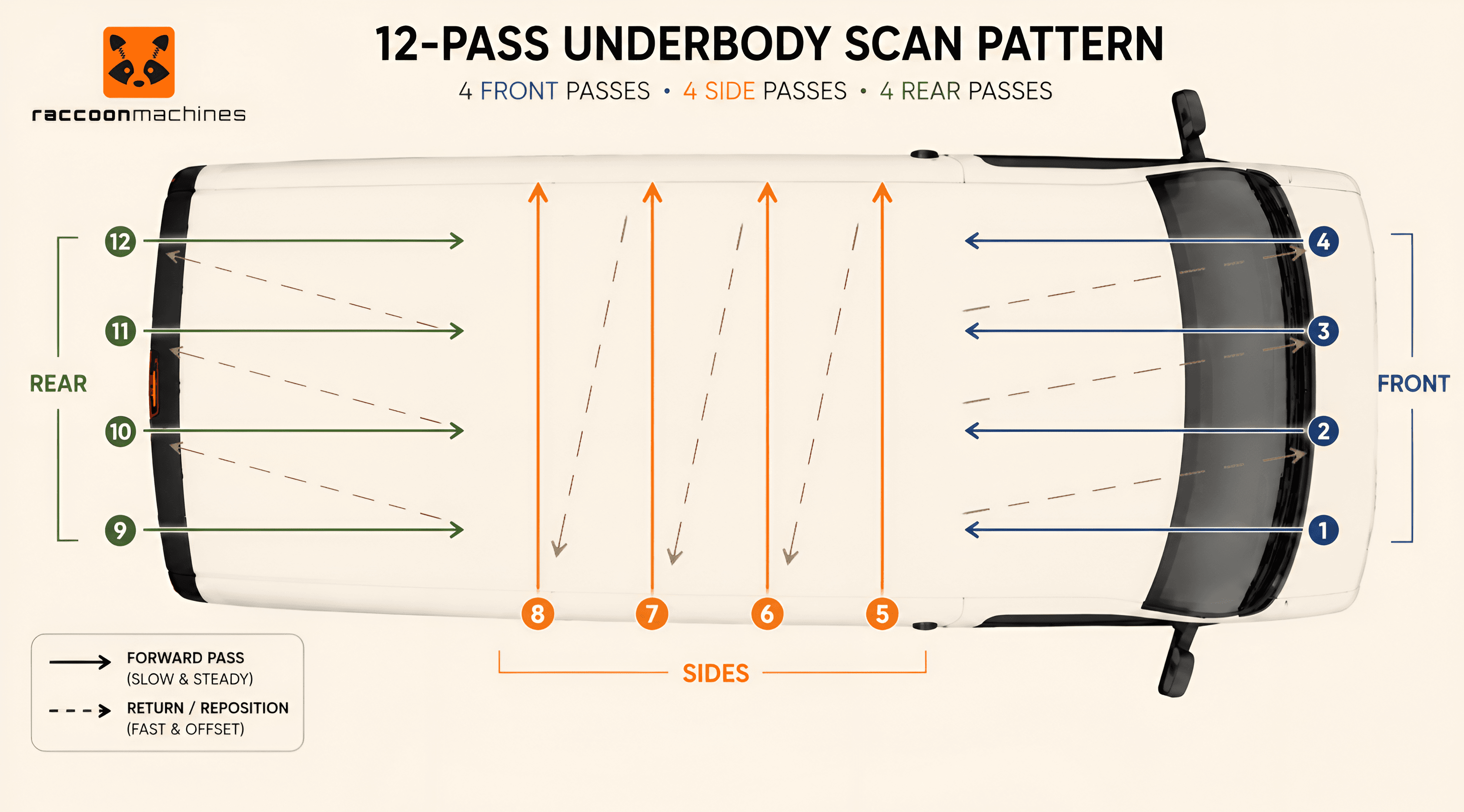
4 front passes
4 side passes
4 rear passes
During capture, I followed the built-in Audio Guidance. Each pass was performed with a slow, steady movement beneath the vehicle to maximize image quality. After reaching the end of the pass, I quickly returned above ground and repositioned for the next scan. The return movement doesn't need to be perfect—SpeedReview™ automatically removes those non-inspection segments later.
Scan Pattern Notes
The 12-pass pattern shown above represents the most comprehensive workflow and is recommended for long-wheelbase vehicles, including full-size vans and pickup trucks.
For most passenger cars, dedicated side passes are usually unnecessary. Front and rear scans naturally overlap, providing complete underbody coverage.
Recommended Workflows
• 6 Passes — 3 Front + 3 Rear (most passenger cars)
• 8 Passes — 4 Front + 4 Rear (low ground clearance vehicles)
• 12 Passes — 4 Front + 4 Side + 4 Rear (long-wheelbase vans and trucks)Even the full 12-pass workflow typically takes less than two minutes, making routine inspections fast enough for regular maintenance, pre-purchase evaluations, and long-term rust monitoring.
From Raw Video to Organized Inspection
After recording, I launched SpeedReview™.
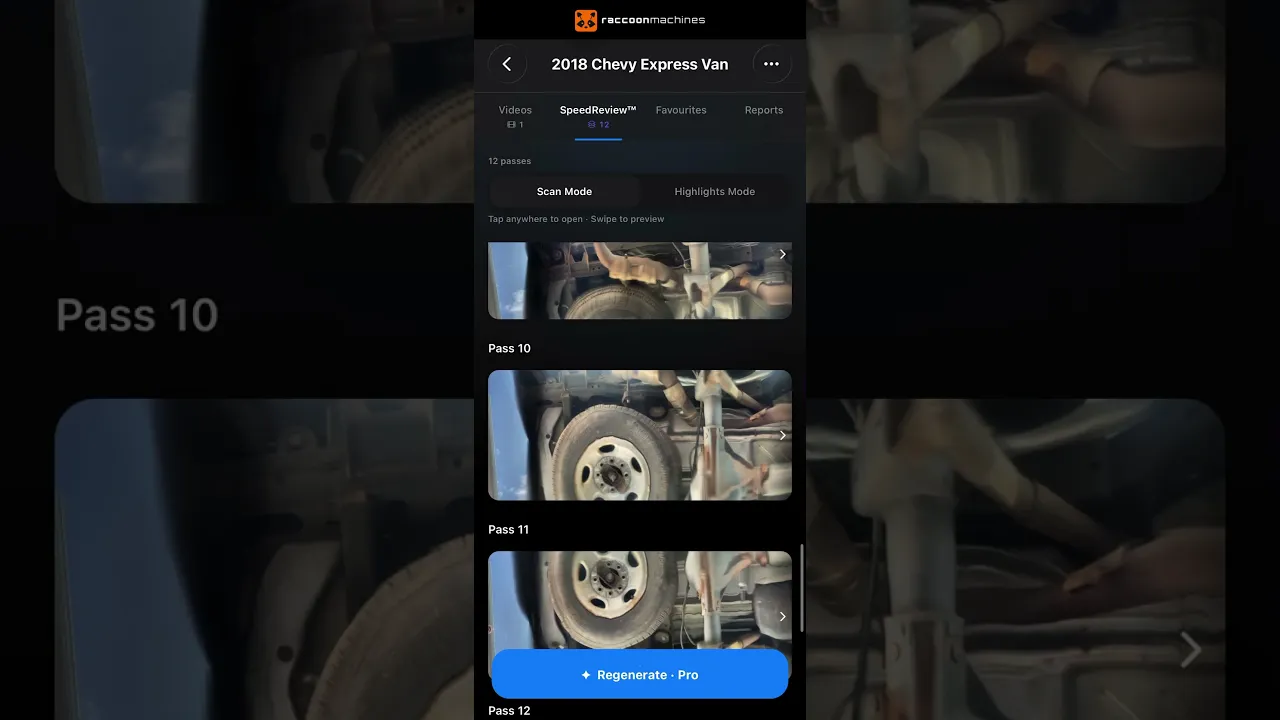
The system automatically removed the repositioning footage, detected the inspection passes, normalized their viewing direction, and organized everything into clean panoramic previews.
SpeedReview™ currently offers two review modes, each designed for a different workflow.
Scan Mode reconstructs each capture pass into a continuous panoramic view. It preserves the vehicle's geometry and allows individual components to be examined from multiple viewing angles as the camera moves through the inspection, making it ideal for detailed inspections.
Highlights Mode automatically selects visually distinct frames for the fastest possible review. It's ideal for rapid condition checks when a complete panoramic review isn't necessary. A dedicated inspection example using Highlights Mode will be published soon.
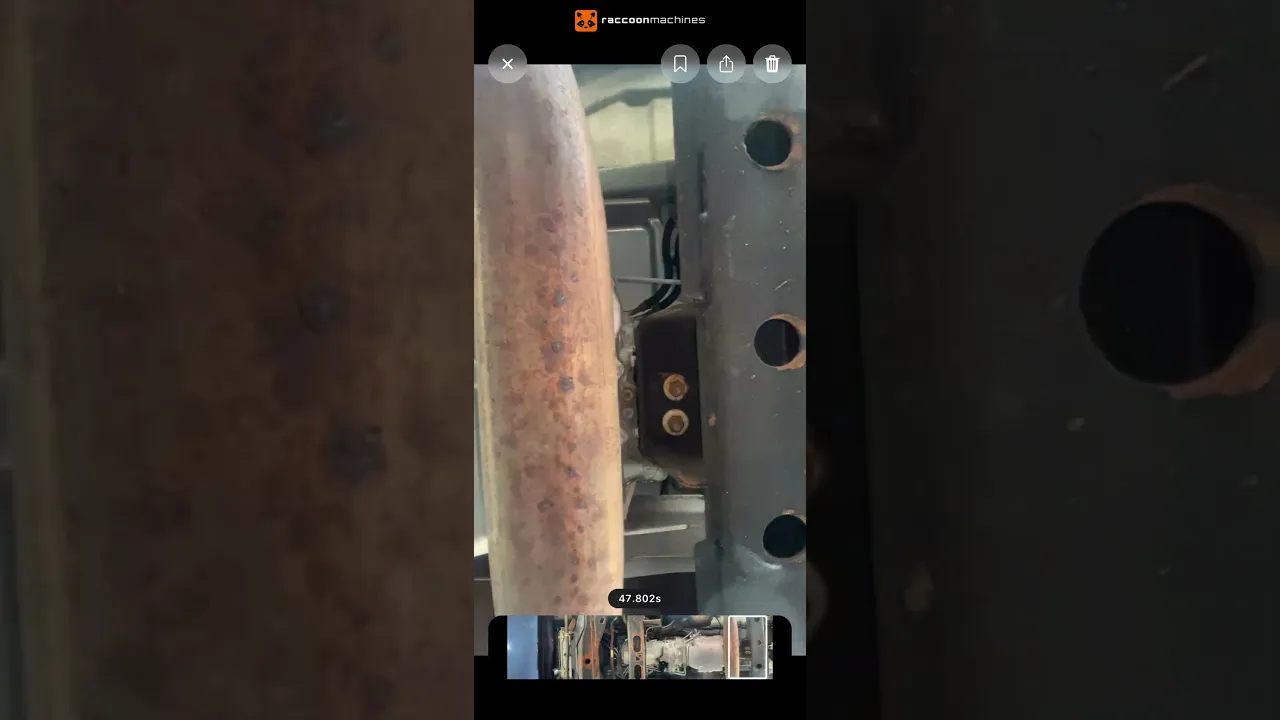
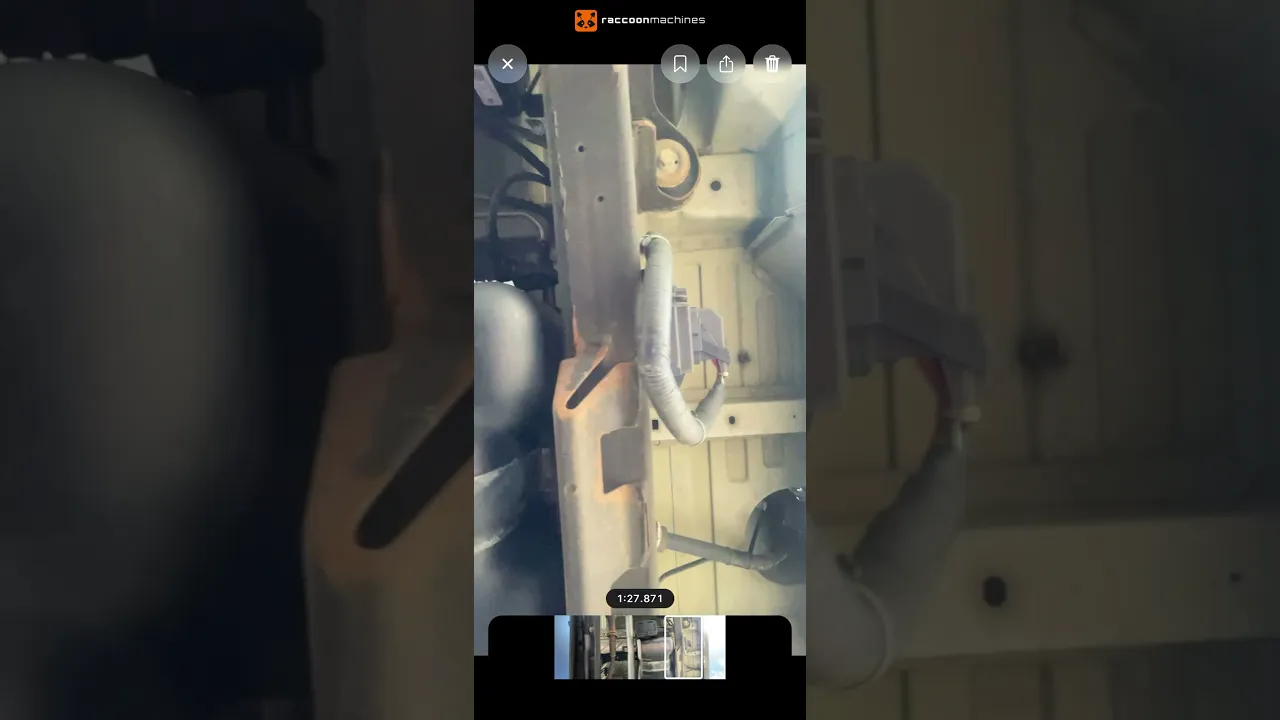
The videos below demonstrate Scan Mode, with the inspection organized into three sections:
Video 1: Front inspection (4 passes)
Video 2: Side inspection (4 passes)
Video 3: Rear inspection (4 passes)
Inspection Findings
Overall, this Chevrolet Express is in excellent condition, especially considering its age and commercial use.
No significant fluid leaks were observed during the inspection.
A small oily residue is visible near the oil filter housing. According to the owner, the engine oil was changed recently, and the residue appears consistent with the service rather than an active leak.
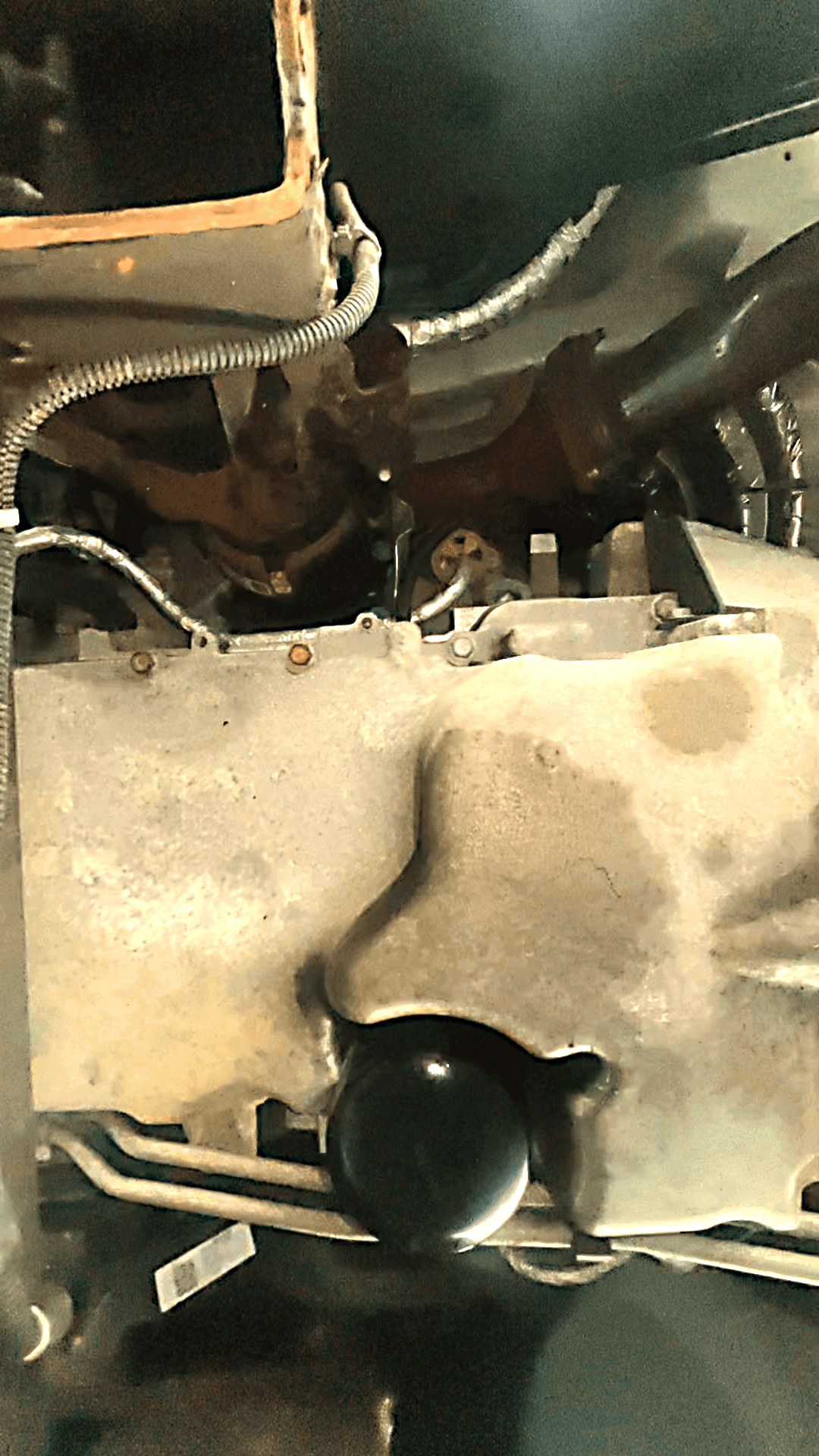
The underside is generally very clean.
As expected for a Pennsylvania work vehicle, there is surface corrosion on the frame, suspension arms, and other exposed steel components. This level of oxidation is fairly typical and, by itself, is not particularly concerning.
Suspension components are maintenance items that naturally wear over time and are routinely replaced during a vehicle's service life. The frame, however, is the structural foundation of the vehicle and deserves considerably more attention during any underbody inspection.
Frame Condition
Surface corrosion is visible on the frame, which is typical for vehicles that have spent years in regions where road salt is used during winter.
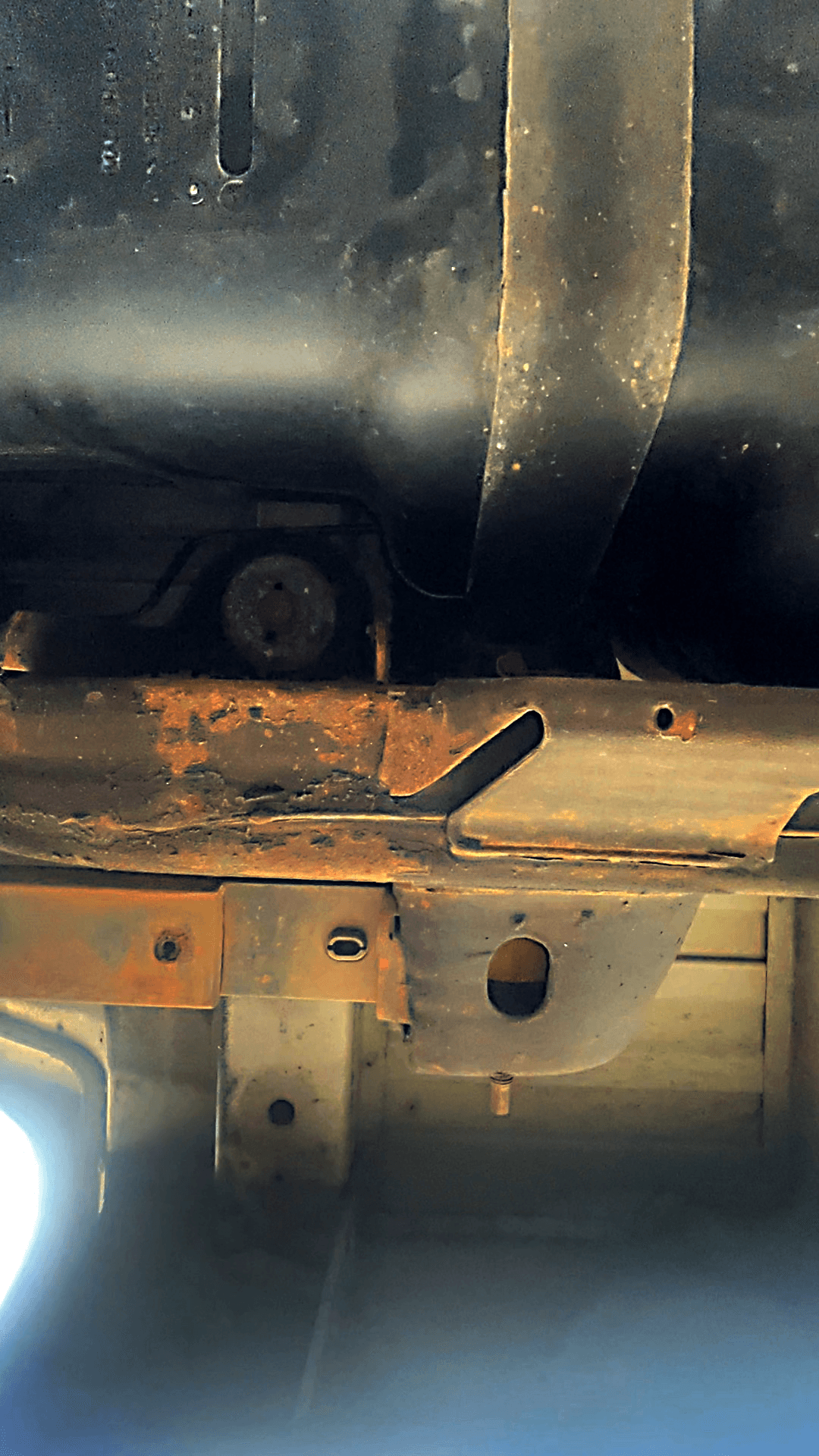
Visual inspection alone cannot determine how deep corrosion extends. Before applying any protective coating, it's good practice to physically verify that affected areas remain solid and that corrosion is limited to the surface.
For long-term monitoring, many owners prefer treating existing surface rust while keeping the frame visually accessible. This makes future inspections much easier, allowing new corrosion to be detected early rather than hidden beneath thick coatings.
Owner's Plan
Rather than hiding the corrosion under a thick undercoating, the owner chose a more conservative approach.
The plan is to:
mechanically remove loose surface corrosion,
apply a light protective coating and paint,
protect the exposed steel from moisture,
and periodically re-inspect the frame using the Raccoon Machines inspection system.
This approach keeps the frame visible for future inspections instead of sealing potential problems beneath heavy coatings.
Final Assessment
Overall, this is an impressive example of a commercial Chevrolet Express.
The vehicle shows no obvious mechanical concerns underneath, while the frame exhibits the level of surface corrosion typically expected for a commercial Pennsylvania vehicle of this age.
This inspection also demonstrates the practical value of SpeedReview™.
A raw 2½-minute recording becomes an organized inspection with clearly separated capture passes that are easier to navigate, review, document, and compare over time.
Instead of searching through a long video, inspectors can immediately focus on the areas that matter while preserving the original footage for detailed verification whenever necessary.
Regular inspections like this make it much easier to monitor changes over time and catch small problems before they become expensive repairs.
Capture time: ~2½ minutes
Vehicle: Chevrolet Express 2500
Mileage: ~80,000 miles
Workflow: 12 organized passes
Commercial work vans spend their lives carrying tools, equipment, and driving through every season. Today's example is a 2018 Chevrolet Express with approximately 80,000 miles, used daily by an HVAC company in Pennsylvania.
The goal wasn't simply to look underneath the van—it was to demonstrate a complete inspection workflow using the Raccoon Machines Inspection Kit and SpeedReview™.
Capturing the Inspection
This inspection consisted of 12 capture passes and took approximately 2½ minutes to record.
The scan was divided into three sections:
4 front passes
4 side passes
4 rear passes
During capture, I followed the built-in Audio Guidance. Each pass was performed with a slow, steady movement beneath the vehicle to maximize image quality. After reaching the end of the pass, I quickly returned above ground and repositioned for the next scan. The return movement doesn't need to be perfect—SpeedReview™ automatically removes those non-inspection segments later.
Scan Pattern Notes
The 12-pass pattern shown above represents the most comprehensive workflow and is recommended for long-wheelbase vehicles, including full-size vans and pickup trucks.
For most passenger cars, dedicated side passes are usually unnecessary. Front and rear scans naturally overlap, providing complete underbody coverage.
Recommended Workflows
• 6 Passes — 3 Front + 3 Rear (most passenger cars)
• 8 Passes — 4 Front + 4 Rear (low ground clearance vehicles)
• 12 Passes — 4 Front + 4 Side + 4 Rear (long-wheelbase vans and trucks)Even the full 12-pass workflow typically takes less than two minutes, making routine inspections fast enough for regular maintenance, pre-purchase evaluations, and long-term rust monitoring.
From Raw Video to Organized Inspection
After recording, I launched SpeedReview™.
The system automatically removed the repositioning footage, detected the inspection passes, normalized their viewing direction, and organized everything into clean panoramic previews.
SpeedReview™ currently offers two review modes, each designed for a different workflow.
Scan Mode reconstructs each capture pass into a continuous panoramic view. It preserves the vehicle's geometry and allows individual components to be examined from multiple viewing angles as the camera moves through the inspection, making it ideal for detailed inspections.
Highlights Mode automatically selects visually distinct frames for the fastest possible review. It's ideal for rapid condition checks when a complete panoramic review isn't necessary. A dedicated inspection example using Highlights Mode will be published soon.
The videos below demonstrate Scan Mode, with the inspection organized into three sections:
Video 1: Front inspection (4 passes)
Video 2: Side inspection (4 passes)
Video 3: Rear inspection (4 passes)
Inspection Findings
Overall, this Chevrolet Express is in excellent condition, especially considering its age and commercial use.
No significant fluid leaks were observed during the inspection.
A small oily residue is visible near the oil filter housing. According to the owner, the engine oil was changed recently, and the residue appears consistent with the service rather than an active leak.
The underside is generally very clean.
As expected for a Pennsylvania work vehicle, there is surface corrosion on the frame, suspension arms, and other exposed steel components. This level of oxidation is fairly typical and, by itself, is not particularly concerning.
Suspension components are maintenance items that naturally wear over time and are routinely replaced during a vehicle's service life. The frame, however, is the structural foundation of the vehicle and deserves considerably more attention during any underbody inspection.
Frame Condition
Surface corrosion is visible on the frame, which is typical for vehicles that have spent years in regions where road salt is used during winter.
Visual inspection alone cannot determine how deep corrosion extends. Before applying any protective coating, it's good practice to physically verify that affected areas remain solid and that corrosion is limited to the surface.
For long-term monitoring, many owners prefer treating existing surface rust while keeping the frame visually accessible. This makes future inspections much easier, allowing new corrosion to be detected early rather than hidden beneath thick coatings.
Owner's Plan
Rather than hiding the corrosion under a thick undercoating, the owner chose a more conservative approach.
The plan is to:
mechanically remove loose surface corrosion,
apply a light protective coating and paint,
protect the exposed steel from moisture,
and periodically re-inspect the frame using the Raccoon Machines inspection system.
This approach keeps the frame visible for future inspections instead of sealing potential problems beneath heavy coatings.
Final Assessment
Overall, this is an impressive example of a commercial Chevrolet Express.
The vehicle shows no obvious mechanical concerns underneath, while the frame exhibits the level of surface corrosion typically expected for a commercial Pennsylvania vehicle of this age.
This inspection also demonstrates the practical value of SpeedReview™.
A raw 2½-minute recording becomes an organized inspection with clearly separated capture passes that are easier to navigate, review, document, and compare over time.
Instead of searching through a long video, inspectors can immediately focus on the areas that matter while preserving the original footage for detailed verification whenever necessary.
Regular inspections like this make it much easier to monitor changes over time and catch small problems before they become expensive repairs.
Our inspection kits and mobile app help you capture, reconstruct, and share underbody inspections in minutes.
Our inspection kits and mobile app help you capture, reconstruct, and share underbody inspections in minutes.

