
Vehicle: 2011 BMW 750i xDrive
Mileage: ~128,000 miles
Engine: 4.4L N63 Twin-Turbo V8
Suspension: H&R springs, approximately 2 in (5 cm) lower
Inspection: 4-pass post-repair check
After Major Engine Work
This 2011 BMW 750i xDrive recently went through extensive engine work following an oil-loss incident caused by a failed oil line at the radiator, which resulted in a VANOS-related failure.
Both cylinder heads were removed, the cylinders were inspected, valve stem seals and VANOS bolts were replaced, and aging hoses, lines, hardware, and other accessible components were addressed along the way.
One interesting detail: the engine never came out of the car. The cylinder heads were removed and the entire top-end repair was performed with the N63 still in the engine bay, right in the driveway.
Keeping an Eye on Things During Break-In
For the initial post-repair period, we deliberately left the lower engine covers off.
The top of the engine had been thoroughly cleaned during the repair, but some old oil residue from the original incident remained underneath. Leaving the covers off made it easy to monitor everything directly and distinguish any fresh leaks from old residue.
During a test drive, we monitored the engine with diagnostic software. Coolant reached approximately 105°C (221°F) and engine oil 100°C (212°F).
With everything fully up to temperature, we stopped at the nearest gas station and took a quick look underneath.
Four Passes Under a Lowered 7 Series
This 750i sits on H&R springs approximately 5 cm (2 inches) below stock height, so there isn't much room underneath.
Despite the reduced clearance, four passes were enough to get a useful overall view.
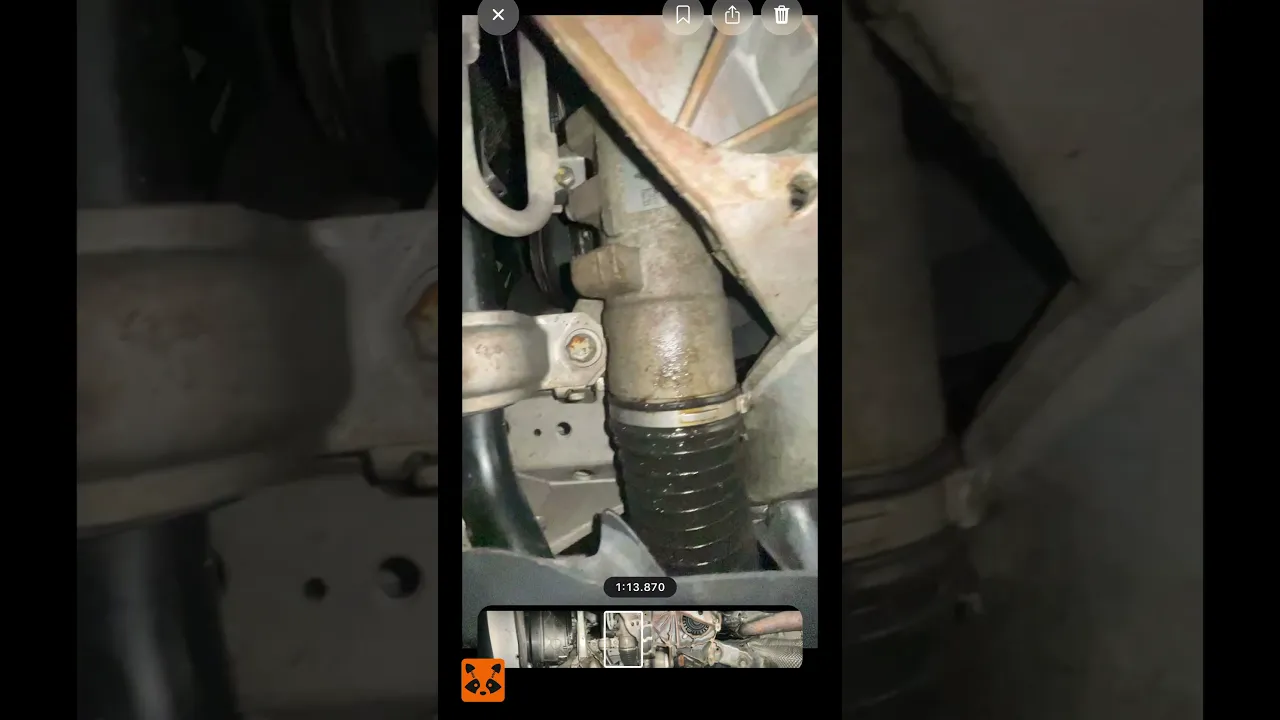
The closer the camera is to the underbody, the narrower the view becomes, so a comprehensive inspection would benefit from additional passes. But for a quick post-repair check, the visibility was more than adequate.
What We Found
Most importantly, we didn't see evidence of an obvious fresh leak.
We did find old oil residue around the steering linkage boot area and on the lower structure beneath the radiators — leftovers from the original oil-loss incident that hadn't been completely cleaned.
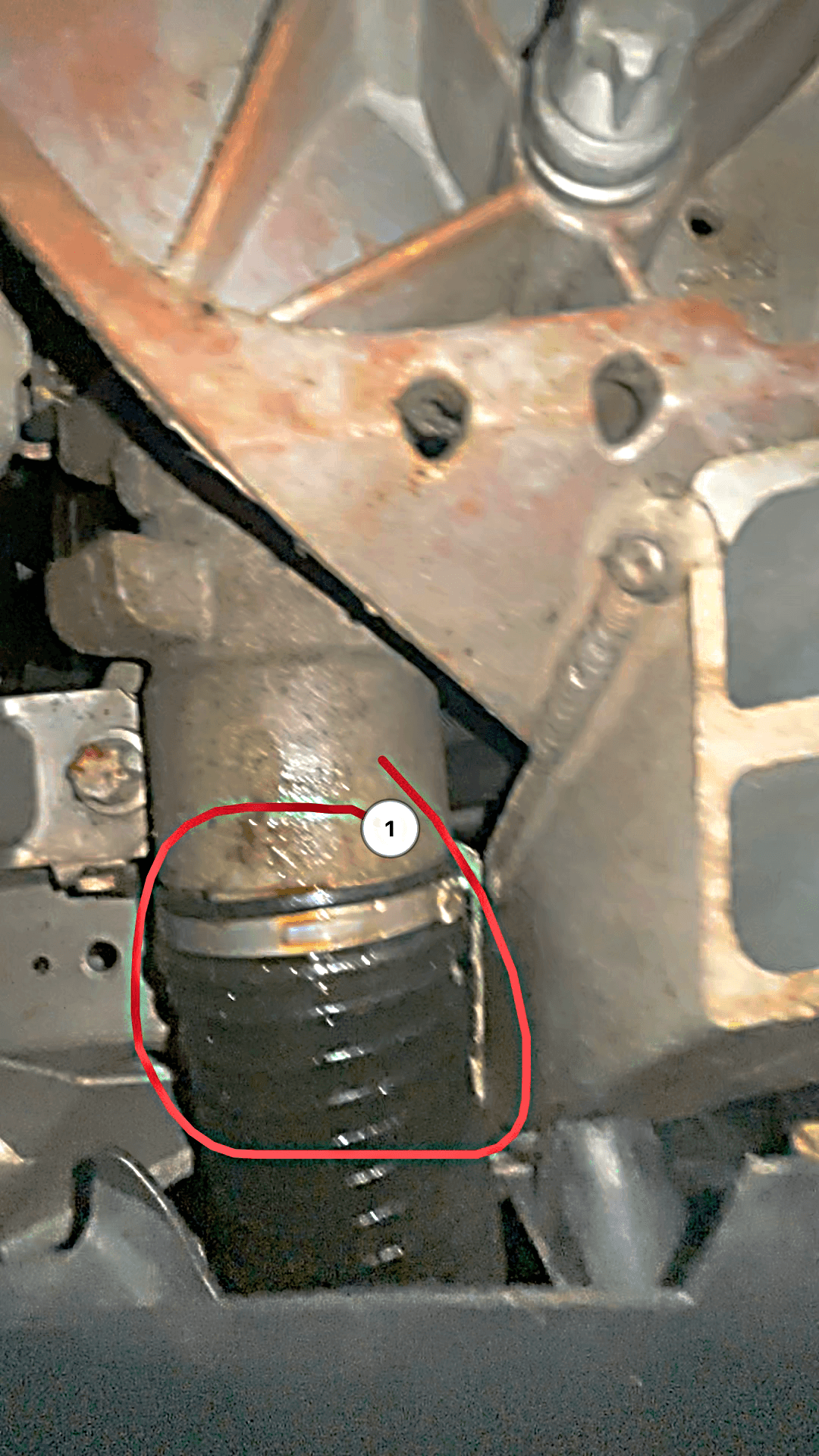
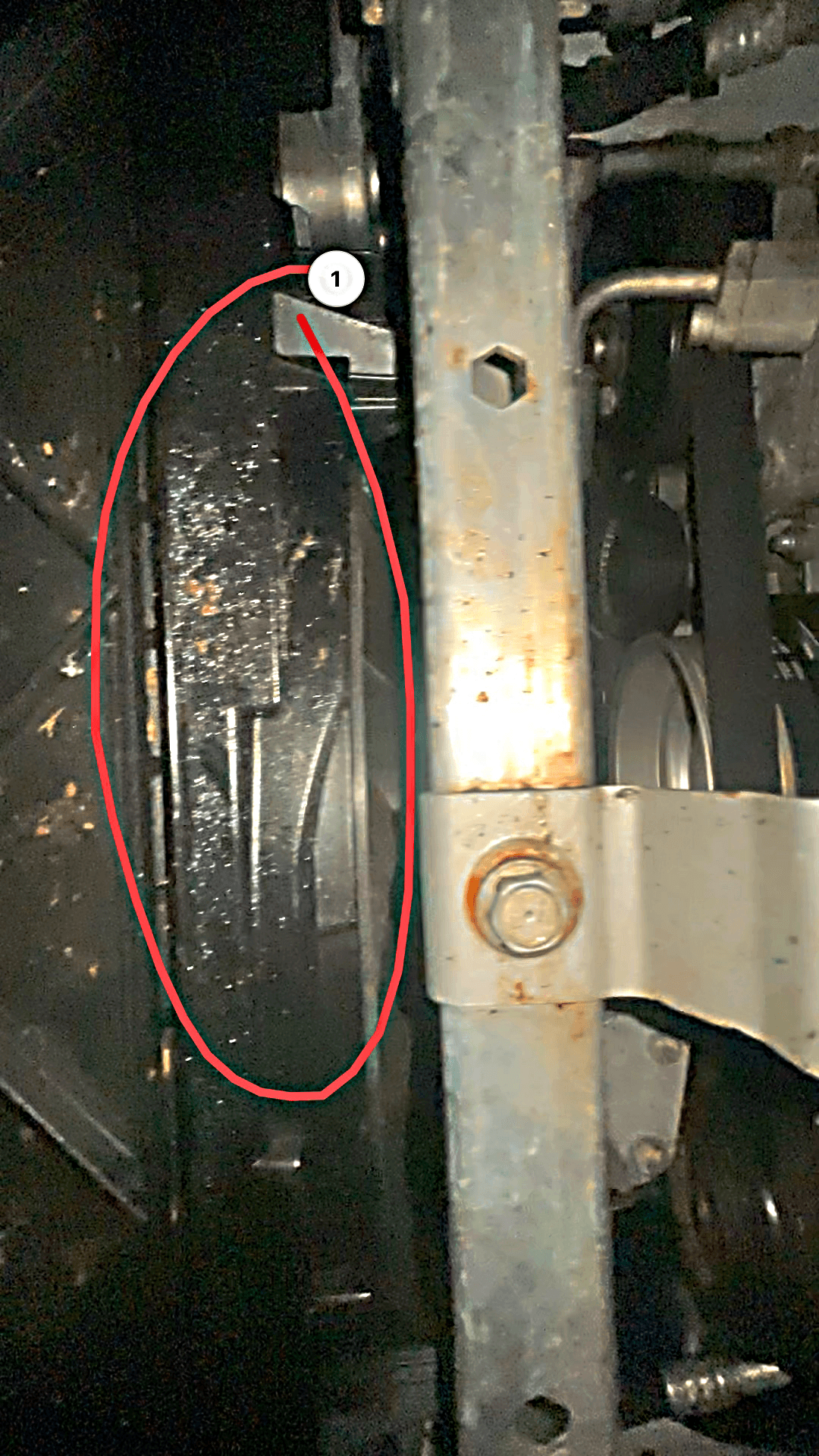
Those areas need a proper wash so future inspections start from a clean baseline.
The scan also showed some rusty fasteners and surface corrosion on suspension and underbody components. Nothing stood out as an immediate concern, but after 128,000 miles and a long period of sitting, the underside could definitely use some cosmetic attention.
100 Miles Later
The car has now covered approximately 100 miles since the repair, with the lower covers intentionally left off during this initial verification period.
So far, everything is operating normally.
We'll continue monitoring the car before reinstalling the covers, but this quick check did exactly what we needed: after a full heat cycle and real driving, four passes at a gas station gave us a useful look underneath a lowered 7 Series without a lift or jack.
Vehicle: 2011 BMW 750i xDrive
Mileage: ~128,000 miles
Engine: 4.4L N63 Twin-Turbo V8
Suspension: H&R springs, approximately 2 in (5 cm) lower
Inspection: 4-pass post-repair check
After Major Engine Work
This 2011 BMW 750i xDrive recently went through extensive engine work following an oil-loss incident caused by a failed oil line at the radiator, which resulted in a VANOS-related failure.
Both cylinder heads were removed, the cylinders were inspected, valve stem seals and VANOS bolts were replaced, and aging hoses, lines, hardware, and other accessible components were addressed along the way.
One interesting detail: the engine never came out of the car. The cylinder heads were removed and the entire top-end repair was performed with the N63 still in the engine bay, right in the driveway.
Keeping an Eye on Things During Break-In
For the initial post-repair period, we deliberately left the lower engine covers off.
The top of the engine had been thoroughly cleaned during the repair, but some old oil residue from the original incident remained underneath. Leaving the covers off made it easy to monitor everything directly and distinguish any fresh leaks from old residue.
During a test drive, we monitored the engine with diagnostic software. Coolant reached approximately 105°C (221°F) and engine oil 100°C (212°F).
With everything fully up to temperature, we stopped at the nearest gas station and took a quick look underneath.
Four Passes Under a Lowered 7 Series
This 750i sits on H&R springs approximately 5 cm (2 inches) below stock height, so there isn't much room underneath.
Despite the reduced clearance, four passes were enough to get a useful overall view.
The closer the camera is to the underbody, the narrower the view becomes, so a comprehensive inspection would benefit from additional passes. But for a quick post-repair check, the visibility was more than adequate.
What We Found
Most importantly, we didn't see evidence of an obvious fresh leak.
We did find old oil residue around the steering linkage boot area and on the lower structure beneath the radiators — leftovers from the original oil-loss incident that hadn't been completely cleaned.
Those areas need a proper wash so future inspections start from a clean baseline.
The scan also showed some rusty fasteners and surface corrosion on suspension and underbody components. Nothing stood out as an immediate concern, but after 128,000 miles and a long period of sitting, the underside could definitely use some cosmetic attention.
100 Miles Later
The car has now covered approximately 100 miles since the repair, with the lower covers intentionally left off during this initial verification period.
So far, everything is operating normally.
We'll continue monitoring the car before reinstalling the covers, but this quick check did exactly what we needed: after a full heat cycle and real driving, four passes at a gas station gave us a useful look underneath a lowered 7 Series without a lift or jack.
Our inspection kits and mobile app help you capture, reconstruct, and share underbody inspections in minutes.
Our inspection kits and mobile app help you capture, reconstruct, and share underbody inspections in minutes.

